Optimizing health and performance through targeted supplementation is a strategy many women consider. Dr. Stacy Sims, a renowned exercise physiologist and nutrition scientist, offers insights into supplements that can be particularly beneficial for women. Here’s a breakdown of key supplements and their recommended usage:
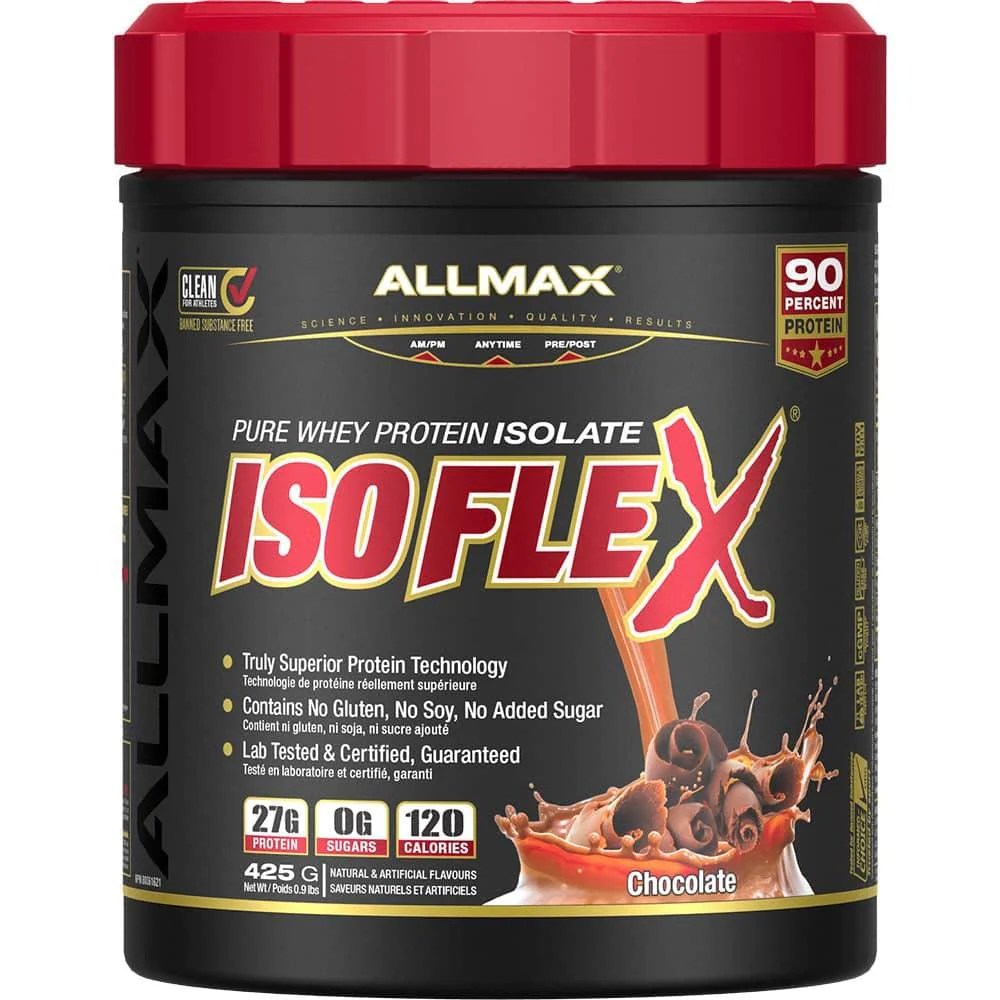

Pre-Workout: Dr. Stacy Sims recommends eating a mix of carbs and protein before your workout, aiming for about 30g of carbs, 15g of protein before a strength and cardio workout. The carbs fuel your energy, and the protein helps kickstart muscle repair. Try to eat 30-60 minutes before working out to get the most out of it.
Post-Workout: Women need more protein than the standard recommendations, especially if they train hard. For younger, pre-menopausal women in their 20s and 30s, about 30 grams of protein after a workout is ideal to kickstart muscle repair and prevent muscle breakdown. However, for peri- and post-menopausal women, who lose estrogen’s natural boost for muscle synthesis, that number jumps to 40 grams. Along with total protein intake, leucine—a key amino acid—plays a major role in muscle recovery. Making sure your protein sources are rich in leucine helps trigger muscle growth and repair more effectively. Since women also have a shorter recovery window (30-45 minutes post-workout), getting protein in quickly is key.
If the woman does cardio as well, add 1/2 gram of carbs with the protein per pound bodyweight.

Women should take creatine every day because it helps with strength, recovery, and even brain function. Since women naturally have lower creatine levels than men, adding 3-5 grams daily can boost energy, reduce fatigue, and improve muscle performance. It’s also extra helpful during the menstrual cycle when hormones can mess with strength and recovery.
The best time to take it? Anytime that’s easy to remember—morning, post-workout, or with a meal. No need to load up or cycle on and off—just stay consistent, and you’ll see the benefits over time.

Creatine Supplementation in Women’s Health: A Lifespan Perspective
Abbie E Smith-Ryan 1,2,*, Hannah E Cabre 1,2, Joan M Eckerson 3, Darren G Candow 4
Hydration


Women need more than just plain water to stay hydrated—especially during different phases of their cycle. Instead of flushing fluids through the body, it’s better to use electrolyte drinks like Osmo, Skratch Labs, or NUUN Performance to actually absorb and retain water. In the week before your period (luteal phase), your body kicks out more sodium, so adding a little extra through food or drinks can help prevent bloating and fatigue. The best approach? Sip on electrolytes throughout the day, up your sodium intake before workouts, and use functional hydration drinks during long or intense sessions. After exercise, refuel with electrolytes and a solid meal to keep your body balanced and ready to go.
Alleviate PMS Symptoms


Speaking of your period, if you want to keep PMS symptoms like cramps, bloating, mood swings, and fatigue in check, try adding a few key nutrients to your routine the week before your period. Dr. Stacy Sims recommends taking 150-250 mg of magnesium, 45 mg of zinc, 1 gram of Omega-3s, and 80 mg of baby aspirin (or another anti-inflammatory if aspirin isn’t for you). These help reduce inflammation, balance hormones, and keep your immune system strong. Stick with it for a few cycles, and you’ll likely notice less bloating, lighter periods, and way fewer PMS struggles.
Adaptogens


Pre-menopausal: Rhodiola is an adaptogenic herb that helps your body handle stress, fight fatigue, and boost mental focus. It’s great for reducing burnout, improving mood, and even enhancing endurance, making it popular with athletes and high-performers. It works by balancing cortisol and neurotransmitters like serotonin and dopamine, which can help with anxiety and brain fog. If you’re feeling mentally drained or physically exhausted, taking 200-600 mg in the morning can give you a natural energy boost without the jitters.
Peri and post-menopausal: Ashwagandha is an adaptogen that helps lower stress, improve sleep, and boost energy levels by balancing cortisol, your body’s main stress hormone. It’s great for reducing anxiety, improving focus, and even supporting hormone health, making it a solid choice for women dealing with burnout or hormone fluctuations. It may also help with strength gains and recovery for those who train hard. The usual dose is 300-600 mg per day, best taken in the evening if you want to relax or in the morning for steady energy.
DIM

Dr. Stacy Sims talks about DIM (diindolylmethane) as a way to help the body process estrogen more efficiently, which can be useful for things like hormone-related inflammation and even skin issues in teenage girls. When it comes to migraines, she explains that hormonal shifts, especially during perimenopause, can mess with blood pressure and serotonin levels, leading to headaches. One of the best ways to help? Staying on top of hydration (see above), since proper fluid balance supports healthy circulation. While DIM plays a role in estrogen metabolism, Dr. Sims doesn’t specifically recommend it for migraines, so it’s best to check with a doctor before using it for headache relief.
Conclusion
Incorporating these supplements into your daily routine can support various aspects of health, from muscle maintenance to cognitive function. It’s essential to consult with a healthcare professional before starting any new supplement regimen to tailor it to your individual health needs and conditions.

 Ageless Optimization
Leave a comment