💤 TLDR – Sleep Tips for Most People
- Same sleep & wake time daily
- Get morning sunlight (20–30 min)
- Move your body early
- No caffeine after noon
- Avoid alcohol & screens before bed
- Dim lights 1–2 hours before sleep
- Keep bedroom cool, dark, and quiet
- Use a light bedtime snack if needed
- Try magnesium or melatonin (low dose)
- Track sleep with a wearable
Many of us struggle with sleep—tossing, turning, or waking up tired. In our fast-paced world, poor sleep feels normal. But it affects your focus, mood, immune system, and long-term health.
Here’s the good news: good sleep is not just luck. It depends on your habits. With the right routine and sleep-friendly environment, better sleep is possible.
This guide is based on expert-backed strategies and guidelines from the Polish Sleep Research Society. It focuses on aligning with your body’s natural rhythm (called chronotherapy)—using light, supplements, and habits to improve your sleep.
🕒 Ideal Sleep-Wake Timing
Most adults benefit from:
- Bedtime: Between 9:00 PM and 11:00 PM
- Wake Time: Between 5:00 AM and 7:00 AM
Aligning with this window helps maximize sleep quality and fits with social norms and natural biology.
📌 Note: While 9–11 PM is ideal for most, chronotypes vary. Tools like Dr. Breus’s ‘Sleep Quiz can help identify your personal rhythm.
🌞 Morning: Leverage Natural Light
Natural Light
Get 30 minutes of sunlight soon after waking.
No sun? Try light therapy before 9 AM:
Morning Movement
Do light exercise like walking or yoga early in the day.
A morning routine with RAD Mobility tools also helps—use code SALLYARSENAULT for discounts.
📅 Circadian-Supportive Habits
Regular Meal Times
Eat meals at consistent times to reinforce rhythm.
Limit Naps
If needed, keep naps under 30 minutes and avoid after 3 PM.
☕ Avoid Stimulants, Alcohol & Cannabis
Caffeine Curfew: Stop after noon.
A large meta-analysis found caffeine can reduce total sleep time by up to 45 minutes, delay sleep onset, and lower deep sleep quality. Even one cup (107 mg) can affect your system for 9+ hours .
Why Limit Alcohol Before Bed
Though alcohol may feel like it helps you relax, it significantly disrupts sleep architecture:
- Reduces REM sleep, the stage associated with emotional processing and memory consolidation.
- Increases sleep fragmentation—you’re more likely to wake up during the night.
- Leads to early morning awakenings due to alcohol’s rebound stimulant effect.
One study found that alcohol-induced sleep disruption was dose-dependent: higher alcohol consumption before bed led to greater REM suppression and more nighttime awakenings .
Cannabis: Mixed Effects on Sleep
May reduce sleep latency (time it takes to fall asleep) in the short term. Long-term use has been linked to reduced sleep efficiency, disrupted REM sleep, and potential dependence to initiate sleep .
🌙 Evening: Wind Down & Reset
Reduce Stimulation
- Dim lights 2 hours before bed. Use warm lighting.
- Avoid screens an hour before sleep.
Evening Movement
If you exercise late and have difficulty calming down, or if your mind is just racing, dedicate intentional time to calm your system with techniques that work for you.
Try the three recommended breathing exercises by Joel Jamieson, world renowned strength and conditioning coach: bear breathing, wall breathing and forearm plank breathing.
Relaxation Techniques
- Take a warm bath. The recommended temperature range for hot water therapy is 100-104°F (38-40°C), with soaking times between 10-30 minutes depending on the water temperature. Soaking about 90 minutes before bed can enhance relaxation and improve sleep quality.
- Listen to calming music or do a 12 minute meditation.
- Write in a journal to organize your thoughts.
- Try the 🧘 “Legs on Wall Pose Before Bed – Dr. Mandell
- Sleep meditations via the Balance app work well for winding down. You can get the app for free for one year! My favorite is the Sleep meditation with Ofosu.

🥜 Bedtime Snacks for Sleep Stability
📖 Eating a small snack 30–60 minutes before bed may help regulate blood sugar and prevent waking during the night.
Here are some examples of sleep-friendly snacks:
- Greek yogurt + chia or almond butter
- Cottage cheese + walnuts
- Boiled egg + avocado
- Oatmeal + protein powder
- Half banana + raw almonds
- Whole grain toast + hummus
- Apple slices + almond butter
Bonus Sleepy Drinks:
- Golden Milk (turmeric + cinnamon + almond milk)
- Unsweetened kefir
✅ Keep portions light and avoid sugary snacks.
Sleep Supplement Stack
Magnesium Glycinate
- Dosage: 200–400 mg
- Timing: 30–60 minutes before bed
- Dosage: 200–400 mg
- Timing: 30–60 minutes before bed
- Why It Works: Helps relax muscles and supports the nervous system. Also reduces the need for bathroom trips during the night.
L-Theanine
- Dosage: 100–200 mg
- Timing: 30–60 minutes before bed
- Why It Works: Reduces stress and promotes calmness.
Melatonin
- Dosage: 0.5–1 mg (lower doses are often more effective)
- Timing: 30 minutes before bed
- Why It Works: Regulates the circadian rhythm, especially if your schedule is erratic.
Glycine
- Dosage: 3 grams (3,000 mg)
- Timing: 30–60 minutes before bed
- Why It Works: Lowers core body temperature to improve sleep onset
Tart Cherry Extract (Rich in Melatonin)
- Dosage: 500 mg of tart cherry extract (or 8 oz of tart cherry juice)
- Timing: 30–60 minutes before bed
- Why It Works: Contains melatonin, which can help regulate your sleep-wake cycle
Note on Timing and Dosage:
While supplements like magnesium and glycine should be taken closer to bedtime, melatonin and L-theanine can be used as part of a pre-sleep routine. Try to keep your pre-sleep stack consistent to observe the best results.
Always consult with a healthcare provider before starting any new supplement regimen, especially if you’re already using other recovery or performance-enhancing products.
🛏️ Sleep Environment
Sleep-Friendly Bedroom
- Cool, dark, and quiet is ideal.
- Use fans, curtains, and sound control tools like ear plugs or a green noise playlist on your home speaker.
Sleep Tools & Accessories
- 🌀 Honeywell Pre-Shaped Foam Earplugs – $18.55
- 🔇 Loop Quiet 2 Ear Plugs – $29.99
- 🔊 Amazon Echo Dot – $49.99
- 🔊 Google Mini – $69.00
Keep your pets locked out if their midnight zoomies wake you up. I keep my door shut exactly because of this.
Blackout Curtains vs Natural Light
- If external light disrupts your sleep, consider:
- If morning light is helpful:
I don’t have external light disruption so I prefer to use blinds so the natural morning light helps to keep me in alignment with the environment.
Comfortable Bedding
Make your bed a place you crave.

My current picks:
- 🛏️ Simons Maison Linen & Cotton Duvet Cover Set – $199
- 🛏️ Kirkland Signature 680 Thread Count Sheet Set – $129.99 (less in store)
- 🛏️ SWITTE 80% Goose Down Duvet – $134
- 🛏️ slip Queen Silk Pillowcase – $140 (don’t buy Blissy, they will rip apart within a year)
- 🛏️ PRO-Aging Natural Latex Orthopedic Pillow – $179
- 🌿 Saje Aroma Halo & Unwind Diffuser Bundle – $95
- 🌿 NaturoBliss Lavender Essential Oil – $18.73
Cool Room Temperature
According to a study the Ideal temperature for sleep is: 60–67°F / 15.5 – 19°C. Warmer rooms reduce sleep quality.
Cooling Solutions:
- ❄️ Honeywell HT900C TurboForce Fan – $24.98
- ❄️ Honeywell QuietSet Tower Fan – $99.98
- ❄️ Midea 5,000 BTU EasyCool AC – $194.98
- ❄️ Danby 10,000 BTU Portable AC – $399.98
📊 Track Your Sleep & Recovery
Sleep Trackers
📖 Evidence Spotlight: According to a 2022 study published in Nature and Science of Sleep, “Wearable devices can support healthy sleep–wake behaviors by providing feedback, increasing awareness, and enabling behavioral interventions tailored to circadian tendencies.” (PMC9036386)
- ⌚Google Fitbit Charge 6 – $219.98
- 🔵 Samsung Galaxy Ring – $549
- ⌚ Samsung Galaxy Watch – $519.99
- 🍎 Apple Watch Series 10 – $549
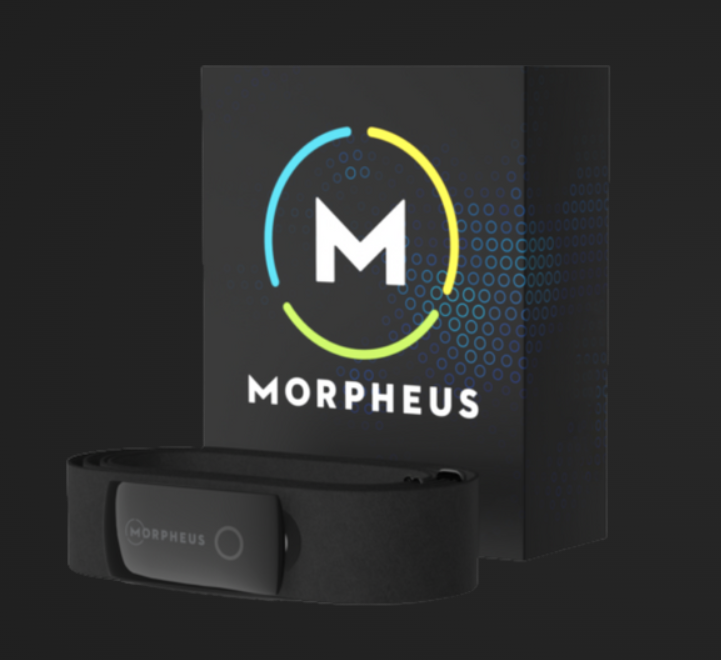
- 🔵 Morpheus Recovery System – $97
After years of trying various devices, I stick to the Apple Watch integrated into the Morpheus system. No subscriptions, amazing capabilities.
🌟 Summary
By aligning your habits with your circadian rhythm, you’re optimizing not just sleep—but your mood, recovery, and long-term health. Start with morning sunlight, evening relaxation, a consistent routine, and track your progress for better sleep.
Small changes lead to big transformations. Sweet dreams 😴
📚 Want to Learn More?
Check out these books:
- Why We Sleep by Matthew Walker
- The Circadian Code by Dr. Satchin Panda
- Sleep Smarter by Shawn Stevenson
- The Power of When by Michael Breus PhD
 Ageless Optimization
Leave a comment